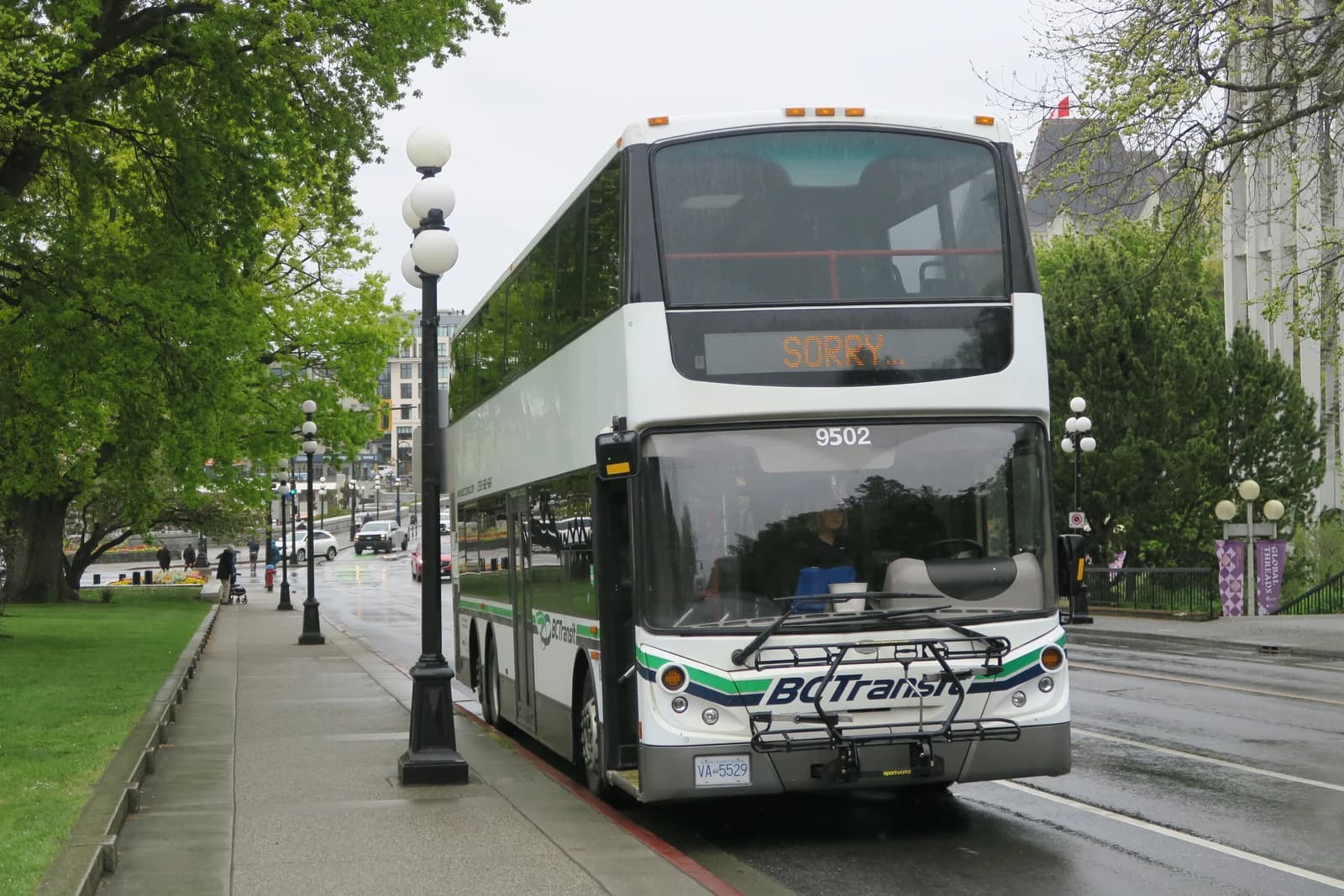
The first workweek of September comes with a new variable for anyone who relies on a West Shore bus: the scheduled trip may not be the trip that runs.
BC Transit says an overtime ban by Unifor Local 333-BC took effect September 1 across the Victoria Regional Transit System. Conventional buses continue to operate, but the agency is warning about trip cancellations and delays. The labour action does not include Victoria handyDART.
That distinction matters. This is not a system-wide shutdown, and a route appearing in the timetable has not been cancelled wholesale. It is a day-by-day service disruption that can remove individual trips when scheduled work cannot be covered without overtime.
What riders should do now
Check the Victoria service-alert page shortly before leaving, even if the trip is familiar. BC Transit says it is posting impacts as soon as it can. A screenshot from breakfast is not much use by the afternoon commute; check again for the return trip.
Allow a wider connection window if your trip depends on a transfer at Langford Exchange, Colwood Exchange or downtown. A late first bus can turn a normal transfer into a long wait. If an appointment, shift or class has no margin for that wait, identify the trip before and the trip after the one you usually take.
Real-time apps remain useful for vehicle location, but the agency's alert page is the direct source for known service impacts. If the app and the official alert disagree, treat the alert as the safer planning signal.
Why overtime is the pressure point
Unifor says its members are working their scheduled shifts and declining work beyond them. The union says scheduled service depends in part on members accepting overtime, so withdrawing that extra labour can reduce service without workers leaving the job entirely.
The union says the collective agreement expired March 31, 2025. Its stated bargaining issues include wages, scheduled run times and recovery time between trips. BC Transit says it is preparing business-continuity plans and continues to seek an agreement. No end date for the overtime ban has been announced by either side.
The useful reading for riders is narrower than the bargaining language: buses are moving, but the spare capacity used to cover work is constrained. The farther a trip runs and the fewer alternatives it has, the more consequential a single cancelled departure becomes. That is especially true for Sooke commuters and for anyone making a timed connection into the core.
What has not changed
Regular fares still apply. BC Transit has not announced a suspension of conventional service, and the advisory does not say every route or every day will be affected equally. handyDART is outside this bargaining process.
Riders should not assume a labour alert is a permanent timetable change, or that a new timetable guarantees every scheduled trip during the overtime ban.
For now, the practical rule is simple: check the exact trip, leave room for the next one, and do not promise an arrival time that depends on a perfect transfer. The bus network is running. Its cushion is not.