Five Nations are negotiating five separate modern treaties. Here is what is proposed, what is not, and what still has to happen.
The Te'mexw treaty negotiations have been underway since 1995. They involve five Coast Salish Nations: Malahat, Beecher Bay (SC'IȺNEW̱), Songhees, Snaw-naw-as and T'Sou-ke. Each is negotiating with British Columbia and Canada.
The talks are now in Stage 5 of the B.C. Treaty Commission process, where the parties negotiate the final agreements. Although the Nations work together through the Te'mexw Treaty Association, the process is expected to produce five separate modern treaties.
For people on the West Shore, the practical questions are close to home. Which lands are proposed? What could change at familiar places such as Hatley Park and Sooke Mountain? Will public access continue? How much still has to happen before anything takes effect?
What is actually being negotiated
The parties signed an Agreement-in-Principle in 2015. It is a framework for the final negotiations, covering land, resources, self-government, financial arrangements and other parts of the relationship between each Nation and the Crown.
A modern treaty can establish treaty lands and give a Treaty Nation authority over land use, natural resources, culture and some social programs on those lands. Treaty lands are not governed by municipal zoning. Each Treaty Nation develops its own land-use rules and planning process.
That does not mean every mapped parcel changes hands tomorrow. Negotiators must finish the legal text, Nation members must ratify their treaty, British Columbia and Canada must approve it, and implementation legislation must follow.
Until those steps are complete, proposed treaty lands remain proposals.
Why Hatley Park is in the conversation
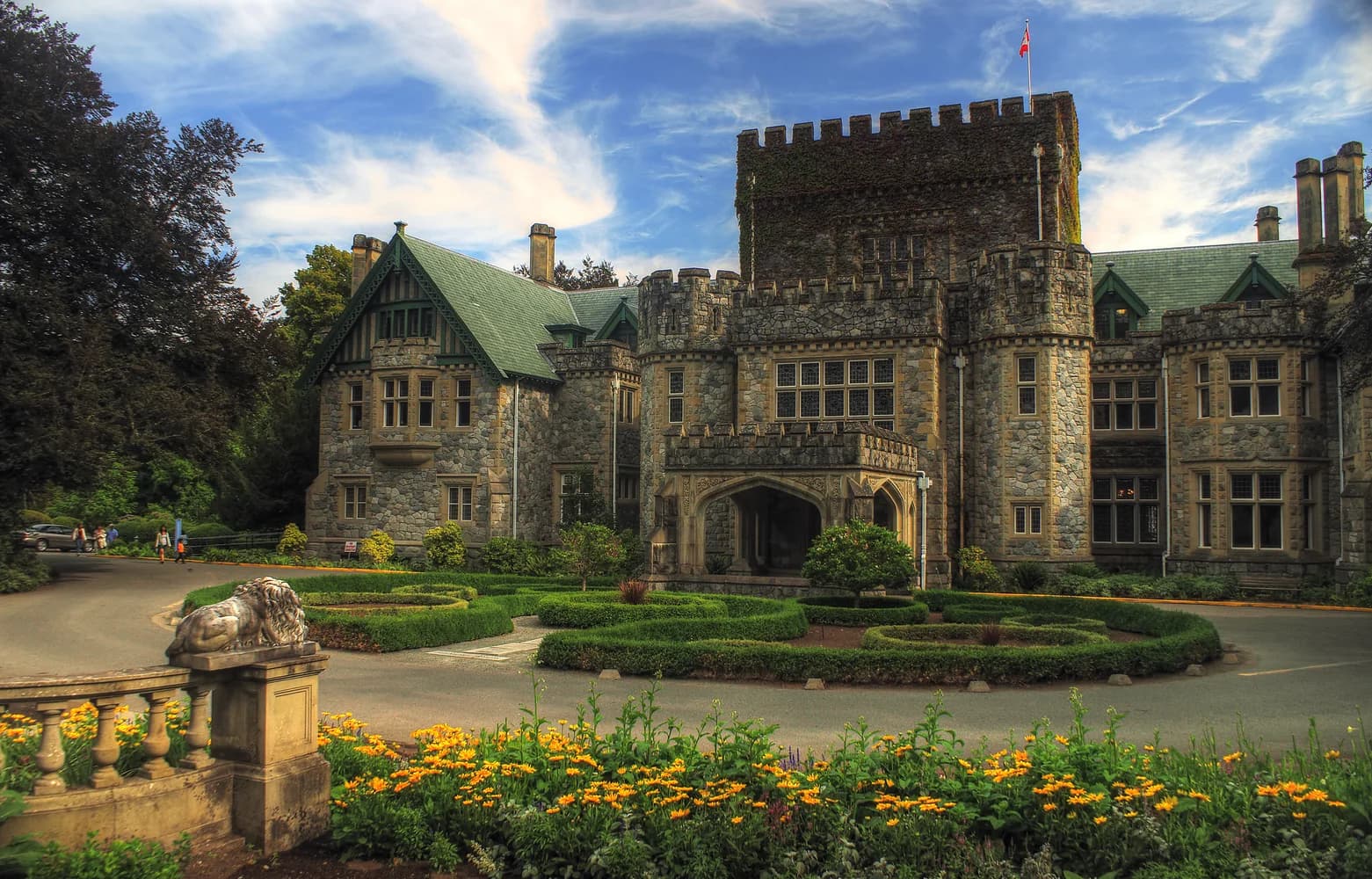
Provincial engagement material includes a Hatley Park inset in maps of proposed Songhees treaty lands. That puts a place many West Shore residents know, home to Royal Roads University, Hatley Castle, gardens, trails and shoreline, inside the public conversation about the treaty package.
The map is a reason to pay attention. It is not a substitute for the final legal description.
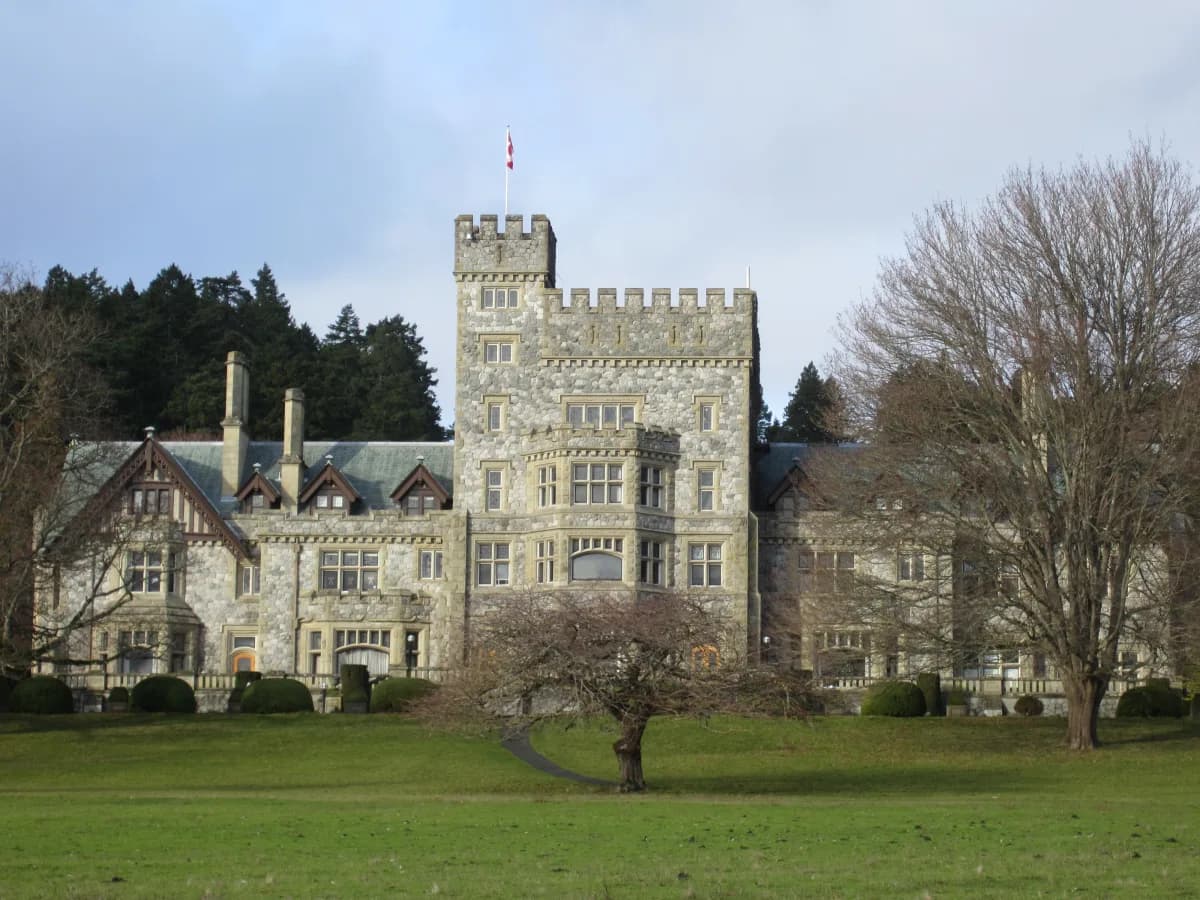
Hatley Castle from the grounds at Hatley Park. Photo: Another Believer / Wikimedia Commons, CC BY-SA 3.0.
Precise boundaries, ownership arrangements, access provisions and implementation terms will be set in the final documents. It is also important not to collapse Hatley Park into Hatley Castle. A map showing proposed land in the wider area does not by itself establish that the castle building or every public space around it will be transferred or closed.
Private homes are not being taken through the treaty
The Province says private property can be considered only on a willing-buyer, willing-seller basis. In plain language, the treaty process does not create a power to expropriate privately owned homes for settlement land.
The proposed package does include provincial Crown land. Final agreements can also include arrangements for roads, utilities, public access, servicing and relationships with neighbouring governments.
Public access depends on the parcel
Access has been one of the most persistent questions during public engagement. Residents want to know what happens to parks, shorelines, roads and trails they use today.
There is no single answer for every parcel. Access can depend on the land's legal status and the terms negotiated for that site. Some commitments may be written into a treaty or related agreement. Other treaty lands may operate more like private land, where access depends on the owner.
The Province specifically says public access, recreation and conservation values would continue at Discovery Island Marine Provincial Park and Sooke Mountain Provincial Park, the two provincial parks proposed as treaty lands. That assurance should not be stretched into a blanket promise for every parcel on the maps.

A stone lion in the gardens at Hatley Park. Photo: Another Believer / Wikimedia Commons, CC BY-SA 3.0.
What happens next
The five Nations, British Columbia and Canada still have several formal steps ahead:
- Negotiators must complete the five final agreements.
- Eligible members of each Nation must vote on their treaty.
- British Columbia and Canada must approve the agreements.
- Implementation legislation and an effective date must follow.
In June 2026, B.C., Canada and the Te'mexw Treaty Association held public open houses in Sooke, Victoria, Shawnigan Lake and Lantzville. Further engagement can occur before the treaties are signed and take effect.
The most useful documents will be the final parcel maps, access language attached to specific lands, ratification versions of each treaty and implementation plans that explain timing and local services.
The Westshore will keep following those documents, with particular attention to Hatley Park, Sooke Mountain, roads and trails, and the working relationship between Treaty Nations and West Shore municipalities.
Primary sources